Introduction
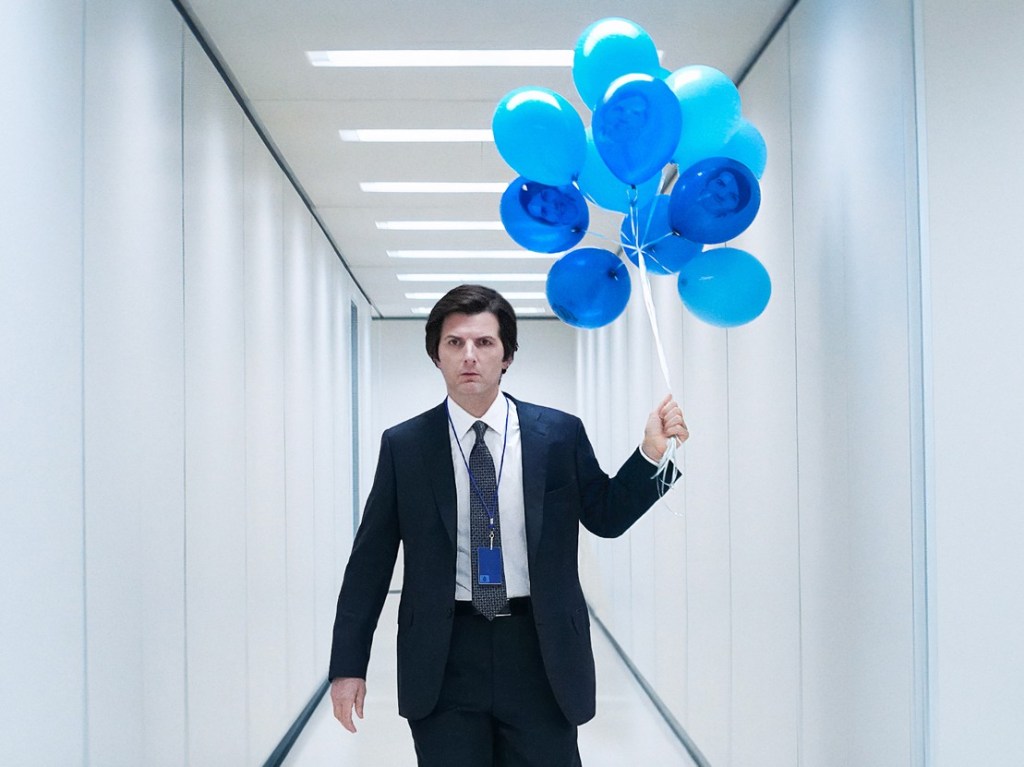
In Apple TV’s hit series “Severance,” employees of the mysterious Lumon Industries undergo a procedure that surgically divides their consciousness. Their “work self” has no knowledge of their personal life, while their “outside self” has no idea what they do at work. It’s a perfect division of work and life—a corporate dream of employees stripped down to pure technical function, unburdened by personal “distractions.”
“You’ll feel nothing but bliss and purpose,” promises the Lumon handbook to potential severance candidates. The corporation presents this division as the ultimate efficiency solution, where work identity exists in perfect isolation from personal qualities.
But this sci-fi concept reveals a profound misunderstanding about human potential in the workplace that many real-world companies still harbour: the belief that technical skills can be cleanly separated from the rich tapestry of soft skills and personal qualities that make us fully human—and fully effective.
The illusion of separation
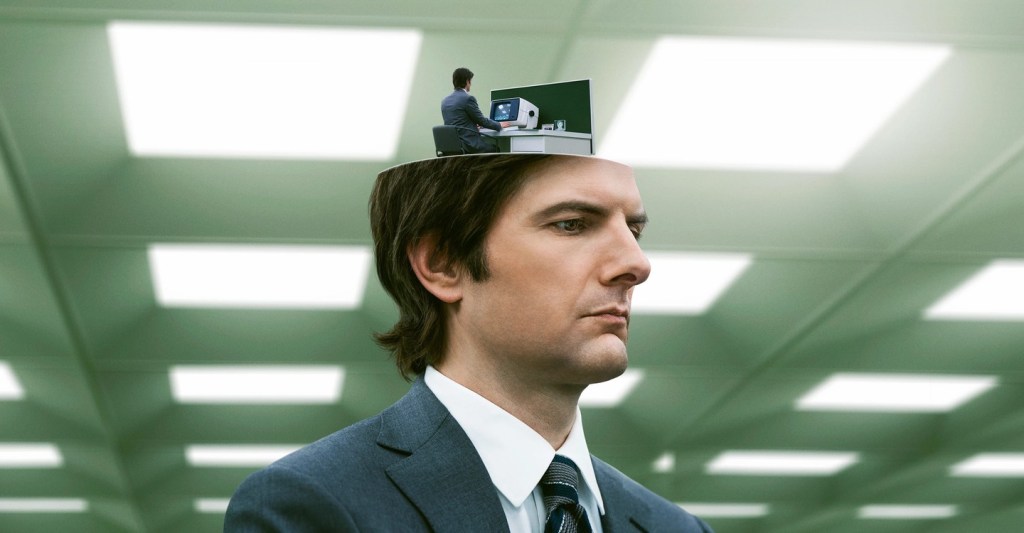
What makes “Severance” so disturbing isn’t just the invasive brain procedure, but how it strips away everything that makes the characters human and effective. The “innies” (work selves) gradually begin to malfunction precisely because they lack emotional intelligence, authentic connection, and personal context that inform good judgment.
The essential soft skills that “Severance” removes
In attempting to create “perfect workers,” the severance procedure inadvertently removes the very qualities that make employees valuable beyond their technical capabilities:
1. Communication and interpersonal skills
The severed employees struggle with basic communication, lacking the natural rapport and social awareness that develops through life experiences. They must relearn how to navigate even simple interactions, showing how our communication abilities are deeply integrated with our personal histories.
2. Emotional intelligence
Without access to their full emotional lives, the “innies” display stunted emotional intelligence. They can’t effectively read others’ emotions, manage their own emotional responses, or navigate complex interpersonal dynamics—all critical workplace skills that develop through our complete life experiences.
3. Adaptability and resilience
When facing workplace challenges, the severed employees lack the resilience that comes from overcoming personal struggles. They have no reservoir of past experiences to draw upon, making them brittle and easily overwhelmed by change or adversity.
4. Authenticity
Perhaps most strikingly, the severed employees lack authenticity—they are literally manufactured work personas removed from their authentic selves. This absence of genuine personality creates uncanny, stunted interactions devoid of the trust that naturally develops between authentic individuals.



The power of the authentic, whole person
Research repeatedly confirms what “Severance” illustrates through negative example: organisations thrive when employees bring their authentic selves to work. The integration of technical and soft skills creates synergies that pure technical ability cannot achieve alone.
Genuine likeability matters
People who bring warmth, positivity, and authentic engagement to their interactions build stronger networks and more effective collaborations. McKinsey’s 2019 “Diversity Wins” report found that companies in the top quartile for ethnic and cultural diversity—which often correlates with greater diversity of interpersonal styles—outperformed those in the bottom quartile by 36% in profitability.
Emotional intelligence drives results
The ability to navigate emotions—both your own and others’—doesn’t come from technical training but from personal development and authentic engagement. A 2010 study by TalentSmart found that 90% of top performers in the workplace had high emotional intelligence, while research published in the Journal of Applied Psychology demonstrated that teams with higher emotional intelligence scores showed measurably better performance.
Loyalty and commitment flow from personal connection
When employees feel authentically connected to their work and colleagues, loyalty naturally follows. Gallup’s research shows that employees who find meaning in their work are 1.7 times more likely to stay with their organisation, and their 2017 State of the American Workplace report found that highly engaged teams show 21% greater profitability.
Positivity creates psychological safety
The ability to maintain a positive outlook, even during challenges, creates an environment where innovation can flourish. Google’s Project Aristotle identified psychological safety—the ability to take risks without fear of negative consequences—as the single most important factor in high-performing teams. This safety emerges naturally when team members bring authenticity, positivity, and emotional awareness to their interactions.


The full spectrum of essential soft skills
When companies embrace employees’ complete humanity, they gain access to a rich spectrum of soft skills that drive success:
- Communication skills: effective verbal and written communication, active listening, and presentation abilities form the foundation of workplace effectiveness. Unlike the stilted interactions of severed employees, natural communicators build understanding and alignment.
- Interpersonal intelligence: empathy, conflict resolution, and relationship building capabilities emerge from our full life experiences, allowing us to navigate complex workplace dynamics with grace and effectiveness.
- Leadership qualities: authentic leadership—the ability to motivate, inspire, and guide others—springs from personal values and character. As former Medtronic CEO Bill George noted: “Authentic leaders demonstrate a passion for their purpose, practice their values consistently, and lead with their hearts as well as their heads.”
- Adaptability: flexibility, resilience, and the ability to thrive amid ambiguity come from our accumulated life experiences facing and overcoming personal challenges.
- Problem-solving creativity: creative thinking and innovation often emerge from connecting disparate life experiences and perspectives—precisely the connections that “severance” would sever.
- Self-management: time management, organisation, and self-motivation are deeply personal skills that reflect our unique approaches to life’s challenges.
- Social intelligence: cultural awareness, diplomacy, and situational awareness develop through diverse life experiences and cannot be artificially manufactured.
- Professional character: accountability, reliability, and integrity flow from personal values and cannot be compartmentalised from who we are outside work.
- Customer empathy: genuine understanding of others’ needs and perspectives comes from our complete human experiences and the authenticity we bring to interactions.
- Growth mindset: curiosity, continuous learning, and perseverance reflect our personal journey of development that extends beyond technical skills.



Creating workplaces that value the whole person
Rather than seeking a Lumon-style separation, forward-thinking organisations should:
- Hire for character and soft skills alongside technical abilities. Google values “learning ability” and interpersonal effectiveness over academic credentials in their hiring processes, as outlined in their “Work Rules!” management philosophy.
- Create environments where authenticity is celebrated. Companies like Patagonia that encourage employees to bring their full selves—including their personal passions—report higher engagement and more innovative thinking.
- Develop soft skills as deliberately as technical ones. Microsoft’s growth mindset approach under CEO Satya Nadella acknowledges that developing interpersonal capabilities produces tremendous business value, believing that innovation is born at the intersection of collaboration and empathy.
- Recognise that positivity and genuine likeability create tangible results. Deloitte’s research has shown organisations with positive, flexible work cultures experience increases in productivity.
- Value loyalty and build environments that nurture it. As Amy Edmondson of Harvard Business School explains, “Psychological safety is a belief that one will not be punished or humiliated for speaking up with ideas, questions, concerns, or mistakes”—a foundation for both innovation and loyalty.
Conclusion: integration, not separation
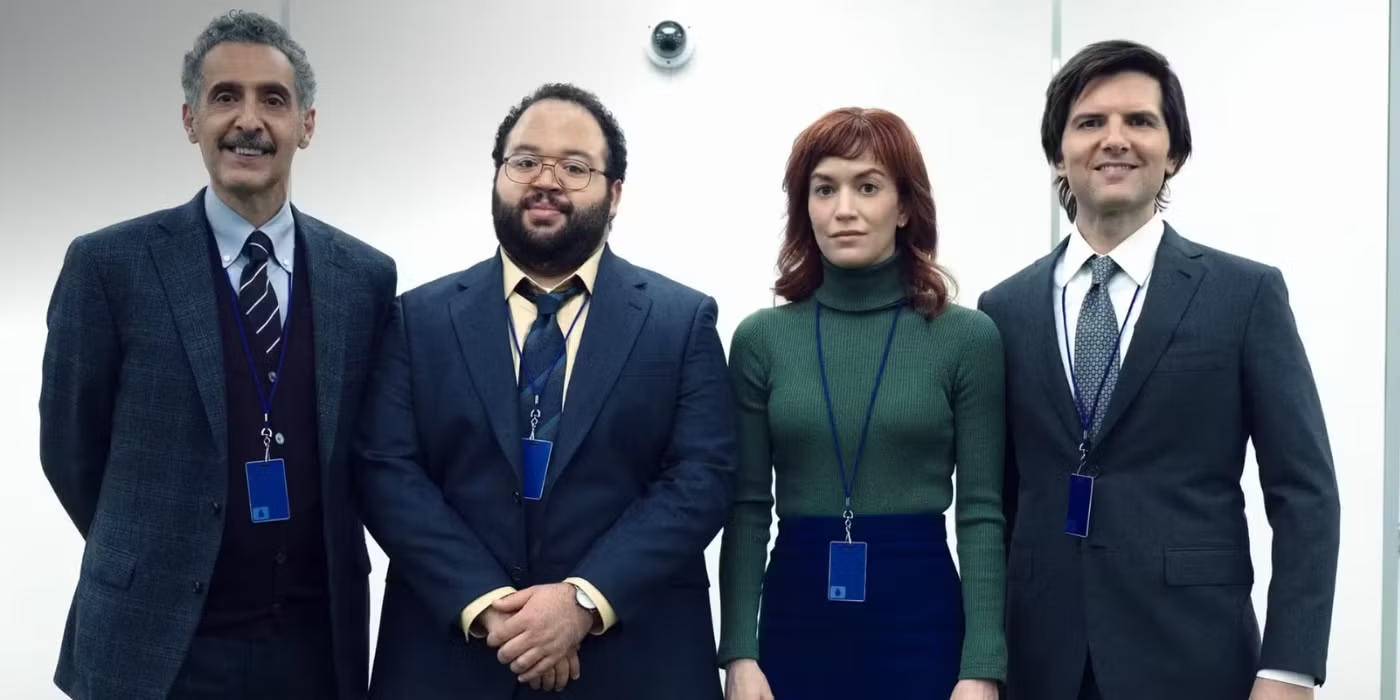
“Severance” shows us the eerie dysfunction that emerges when we attempt to isolate professional capabilities from personal qualities. When Helly R. rebels against her workplace confinement or when Mark’s outside grief bleeds into his work behaviour despite the severance procedure, the show makes a profound point: human emotions, authentic personalities, and rich soft skills cannot be surgically removed from professional performance.
In reality, our most valuable contributions come precisely from the integration of technical expertise with authenticity, emotional intelligence, genuine likeability, positivity, loyalty, and the full spectrum of soft skills that make us human. Unlike Lumon’s severed employees, who must rediscover their humanity despite corporate efforts to suppress it, successful organisations create workplaces that celebrate and harness the power of the whole person.
